Some events you attend; others stay with you. A week on from WordCamp Europe 2026, it’s clear which category Kraków falls into.
This year’s WCEU brought just under 2,500 attendees from 81 countries to the ICE Kraków Congress Centre, a remarkable jump on the previous year and the strongest signal in some time that the WordPress community is not just intact, but thriving.
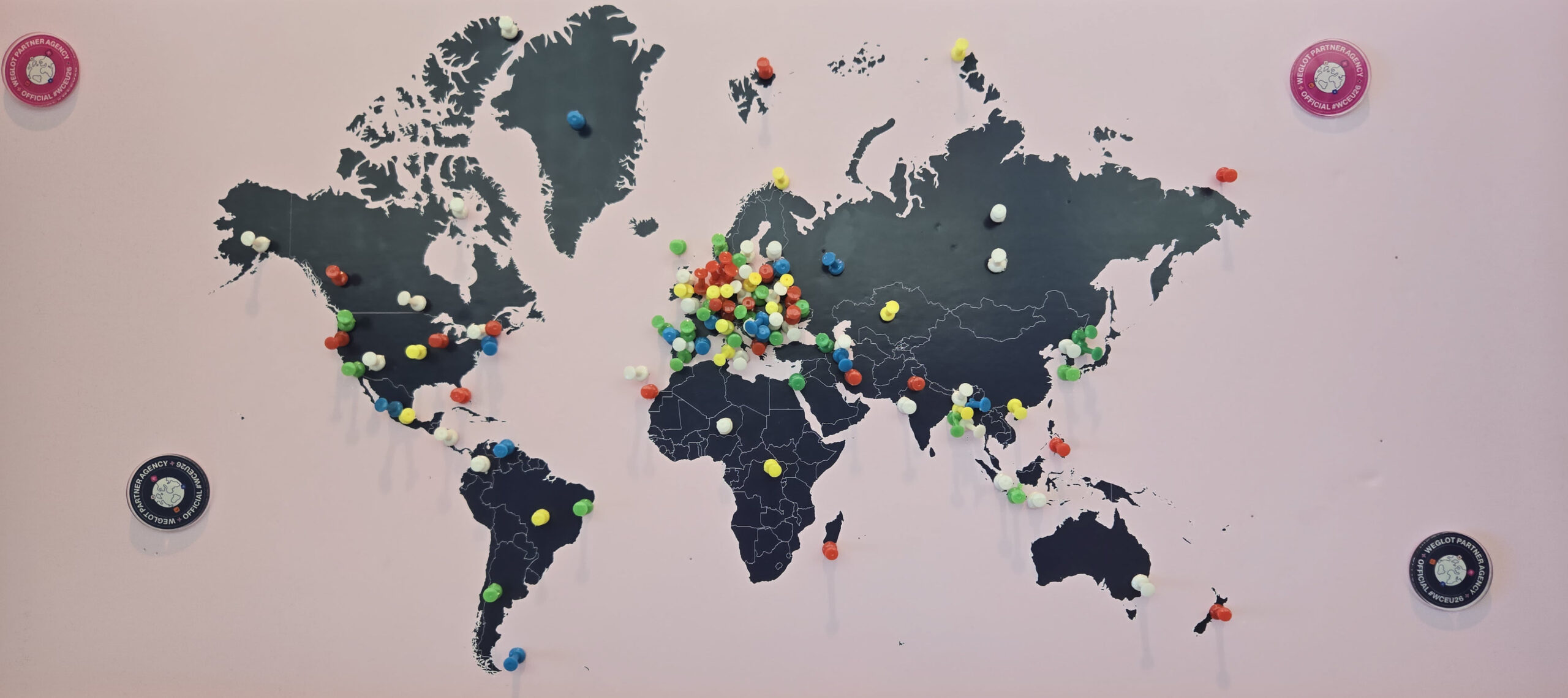
Nearly a quarter of attendees were there for the first time. Walking the sponsor hall, you could feel it: the conversations were forward-looking, the energy unmistakable.
Credit where it’s due
It is easy to take a well-run event for granted, precisely because good organization tends to be invisible. So it’s worth saying plainly: the WCEU organizing team and volunteers delivered something exceptional.
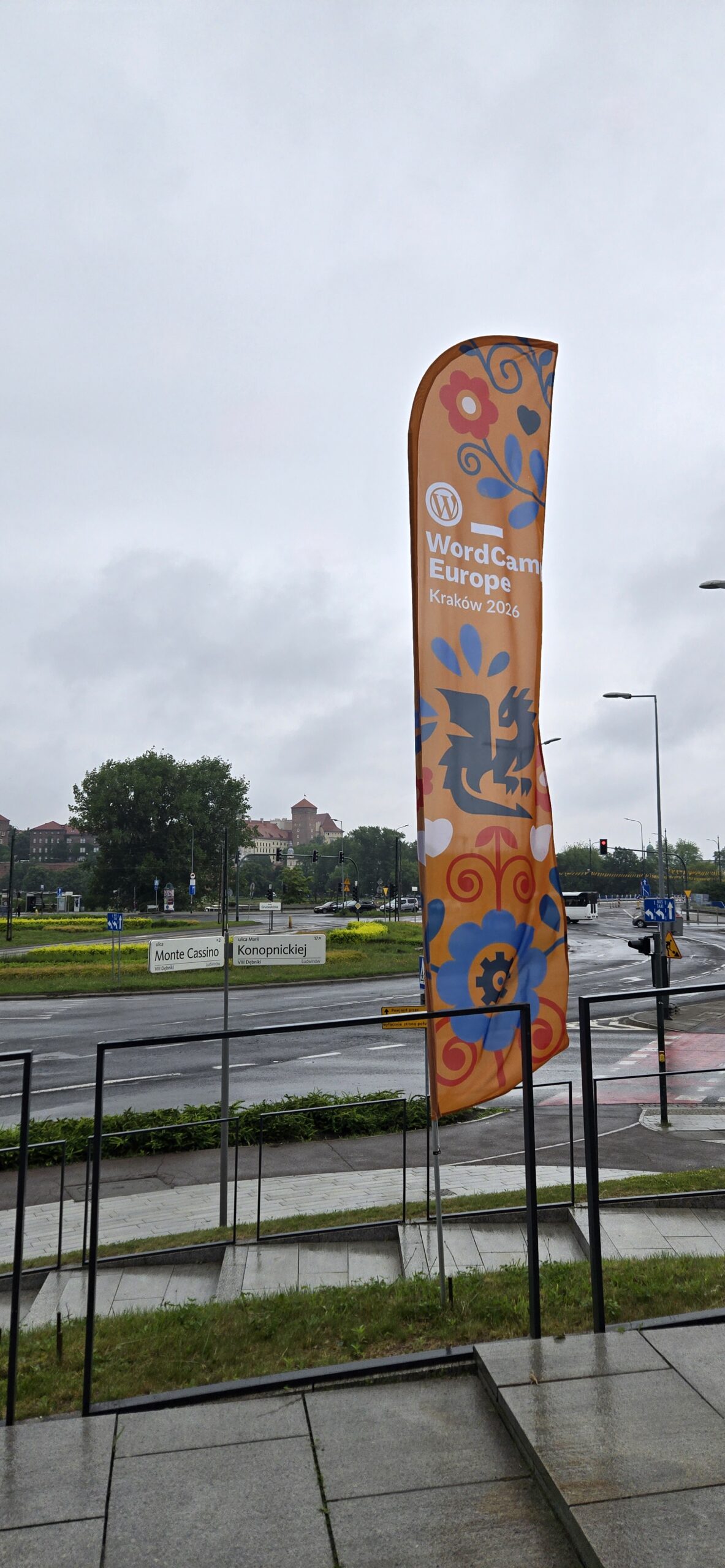
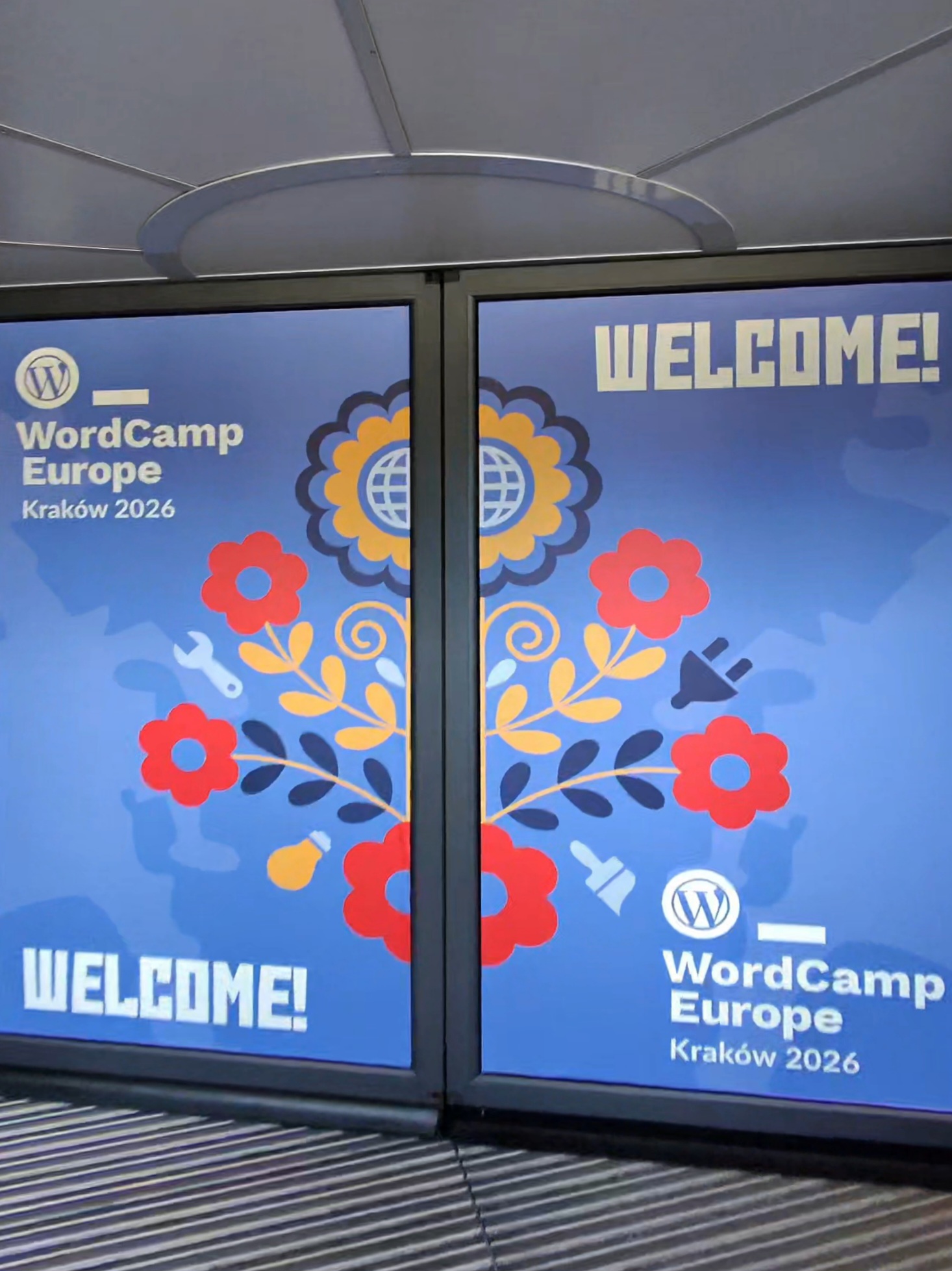
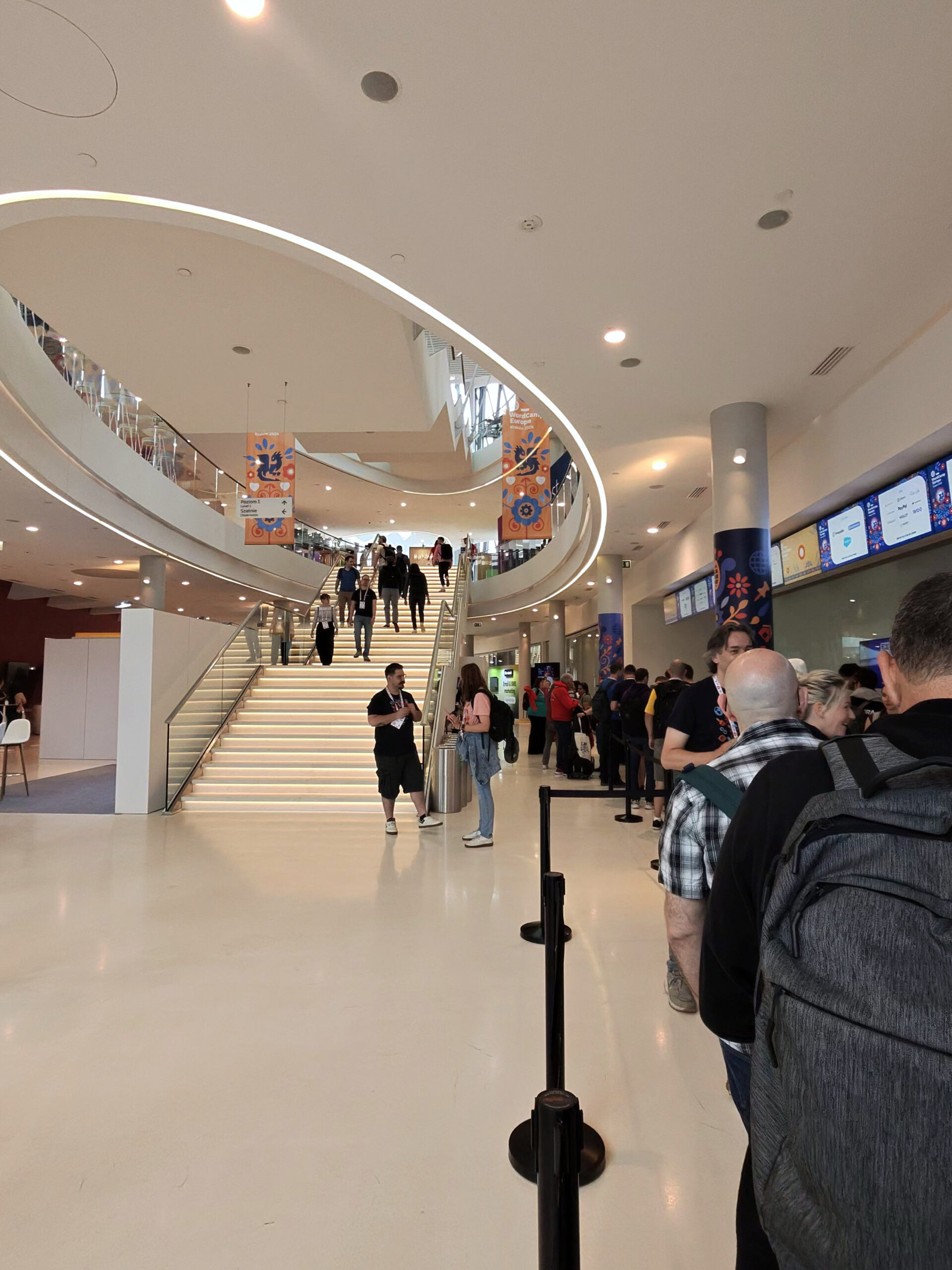
The venue was superb, with generous space to meet and talk rather than simply pass through. The branding, woven from the Wawel Dragon and the folk florals of the Małopolska region, gave the whole event a strong sense of place. The catering kept thousands of people happy across three long days, which is no small feat of logistics in itself.
For sponsors, that care extended behind the scenes. Our booth setup was seamless from arrival to teardown, and when the practicalities simply work, you can give your full attention to the people in front of you. That, in the end, is what these events are for.
The post-event consensus has been rare in its unanimity: the WCEU team set a very high bar this year.
A city that played its part
Kraków deserves its own mention. The Old Town, with its vast market square and centuries of layered history, made a beautiful backdrop to the week, and the city embraced the conference in return.
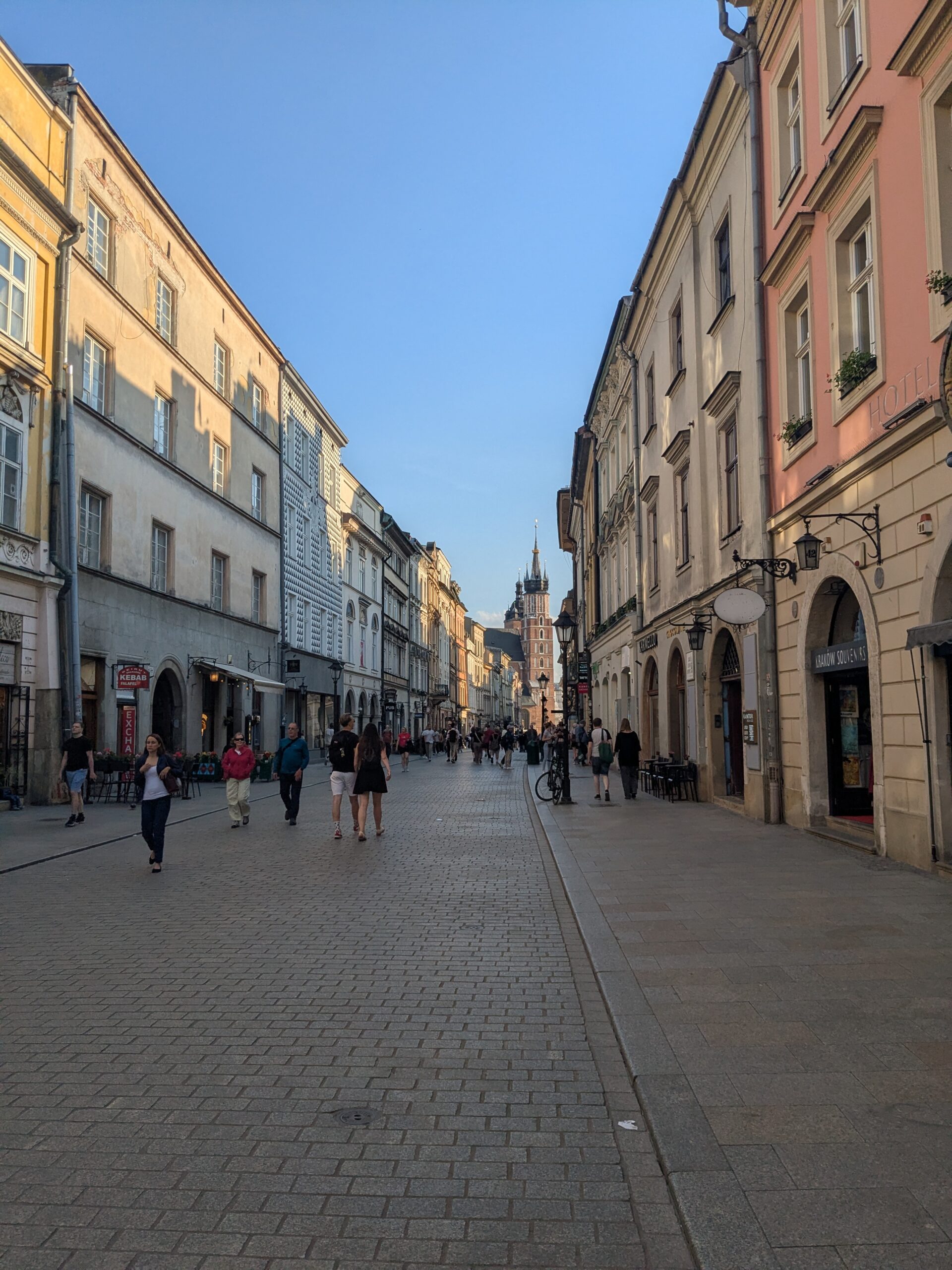
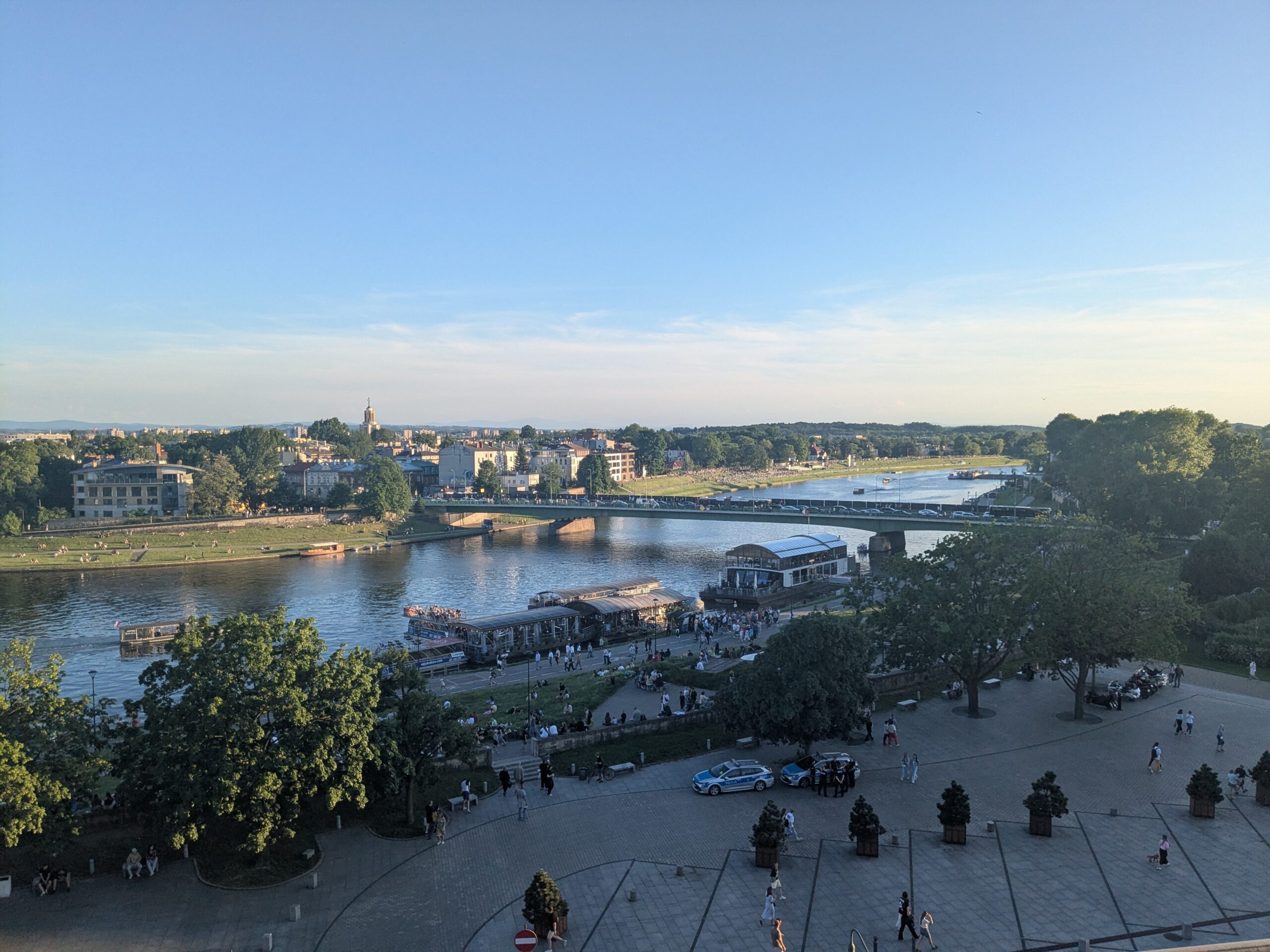
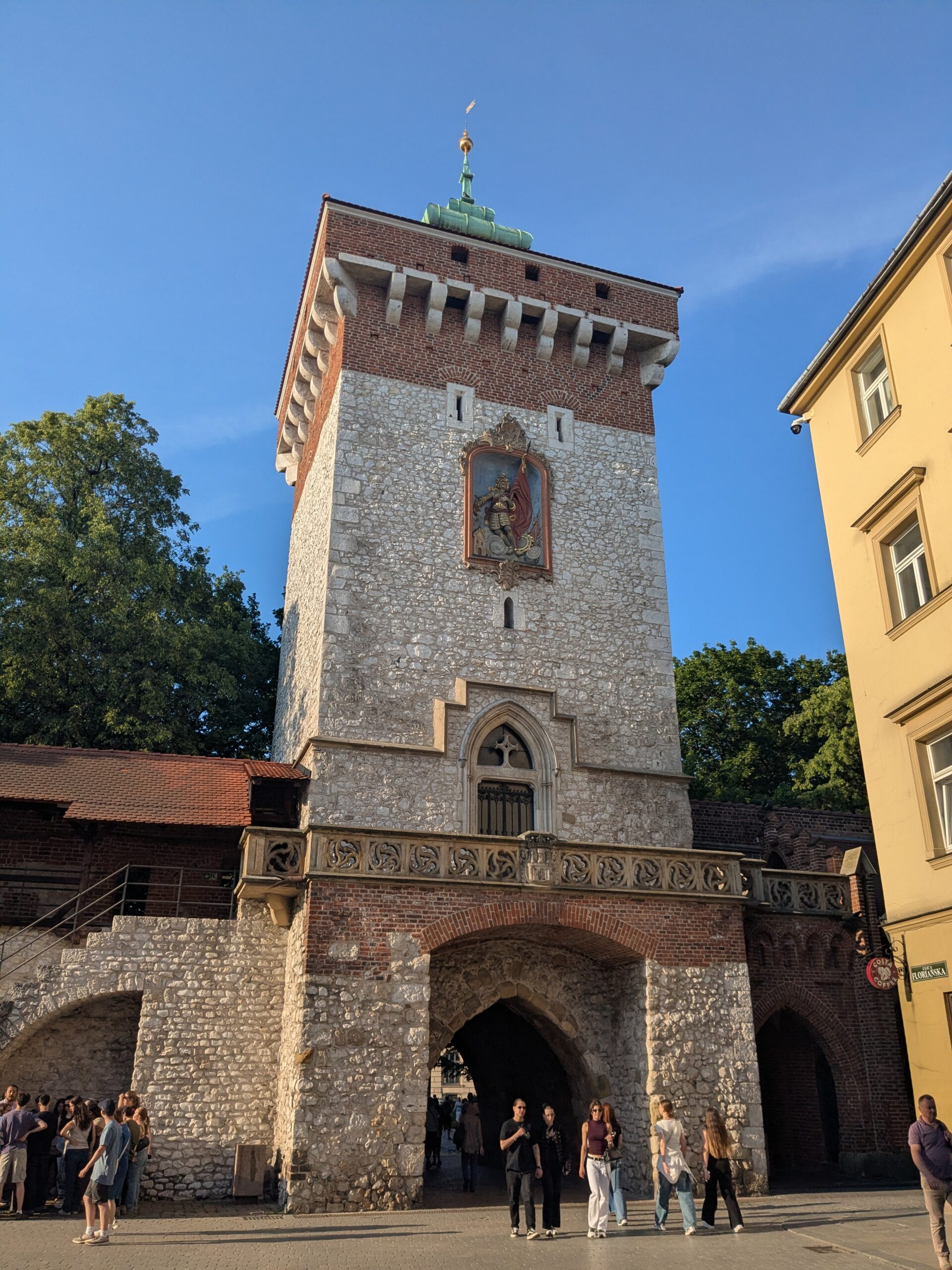
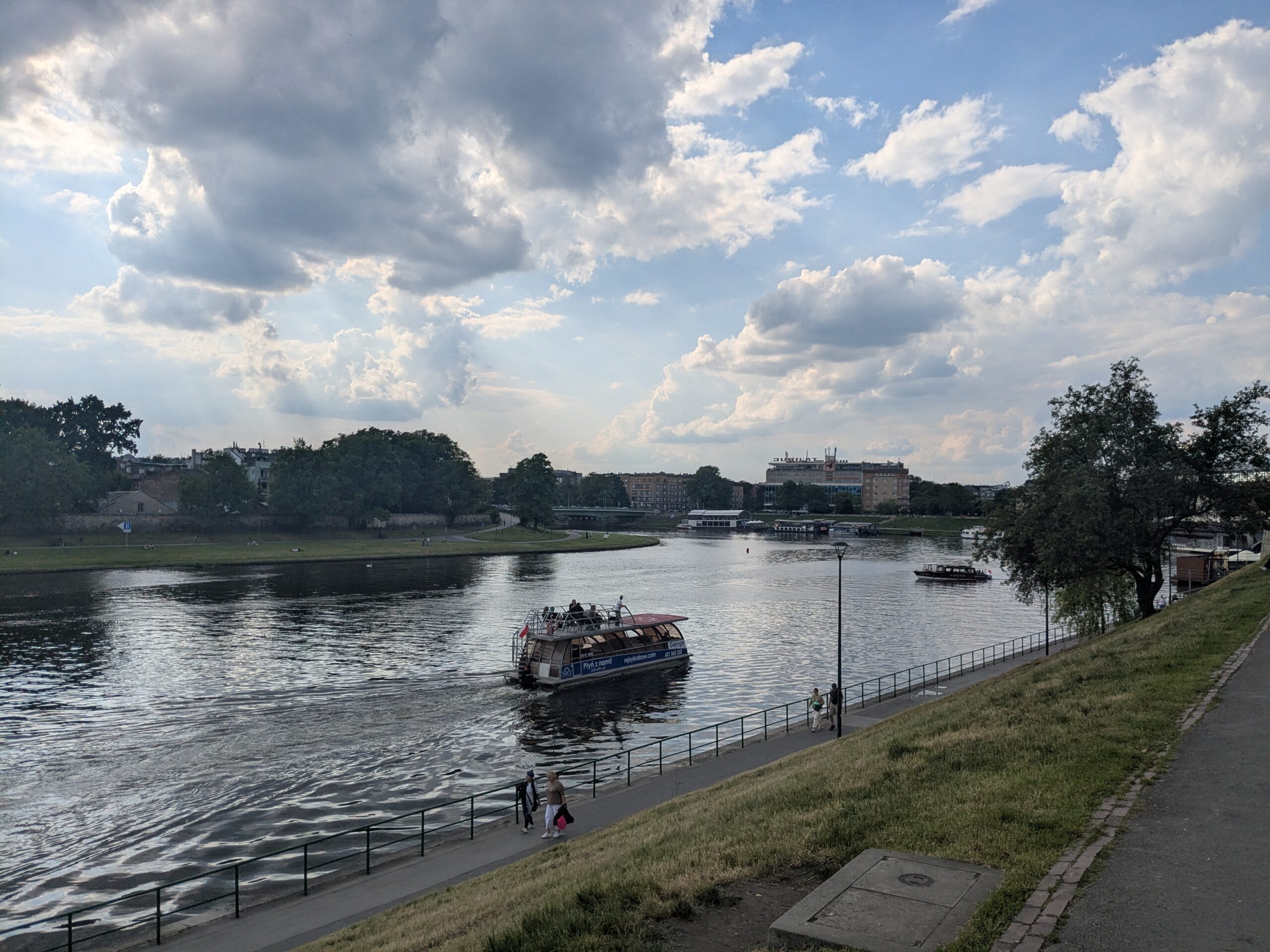
And the timing of the Great Dragon Parade on the Vistula felt almost scripted – the dragon had, after all, become the unofficial emblem of the event itself.
Between the food, the architecture, and the warmth of the welcome, it’s hard to imagine a better host city.
The value of being in the same room
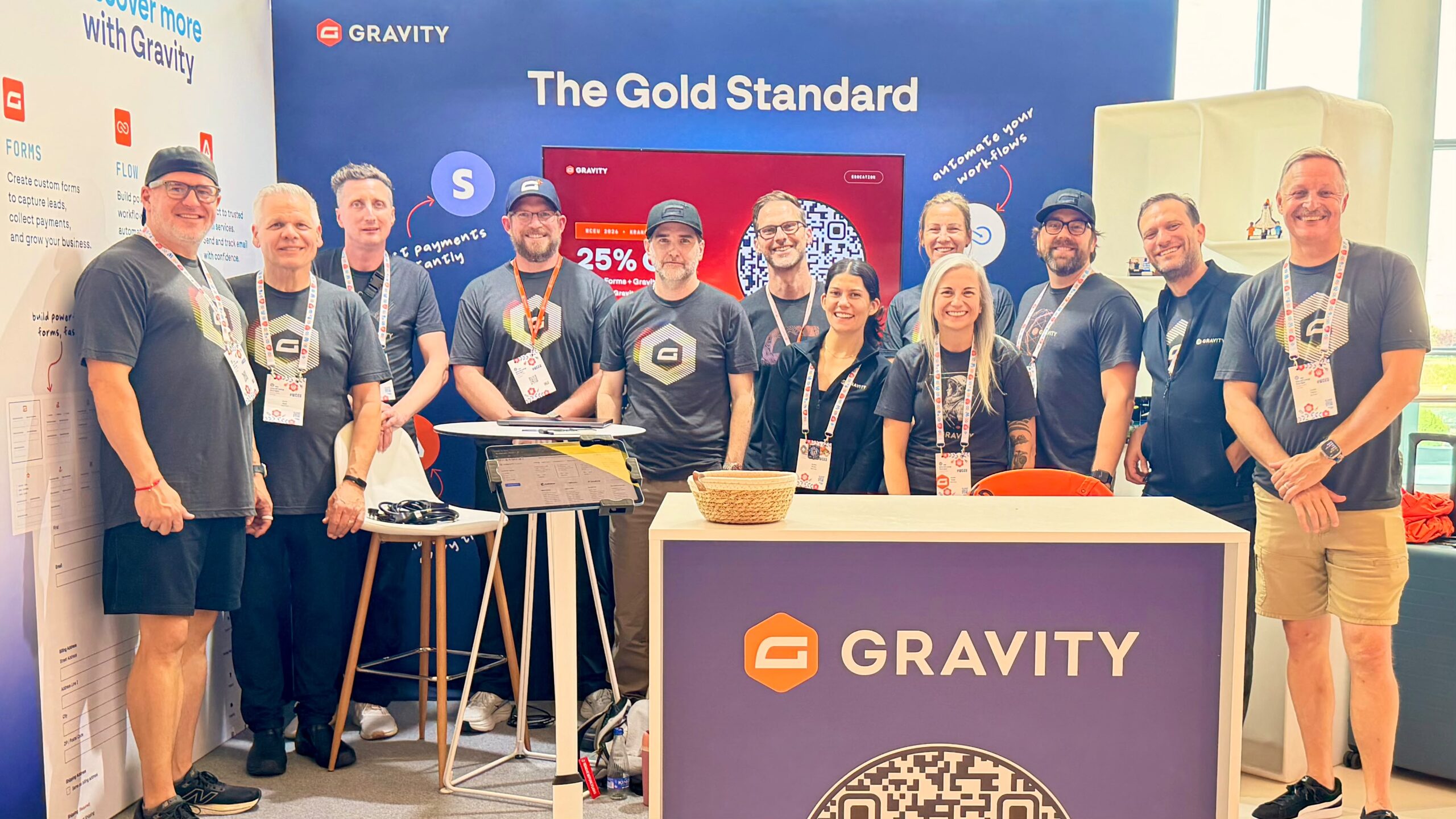
For the Gravity team, WordCamps are a great opportunity for us to meet in person.
Rocketgenius, like much of the WordPress ecosystem, is a distributed company. Remote work gives us a great deal, but events like WCEU are a reminder of what it can’t replicate. Spending a week together as a team, working on shared projects, talking through ideas over dinner, and simply being in one another’s company, sharpens everything that follows.
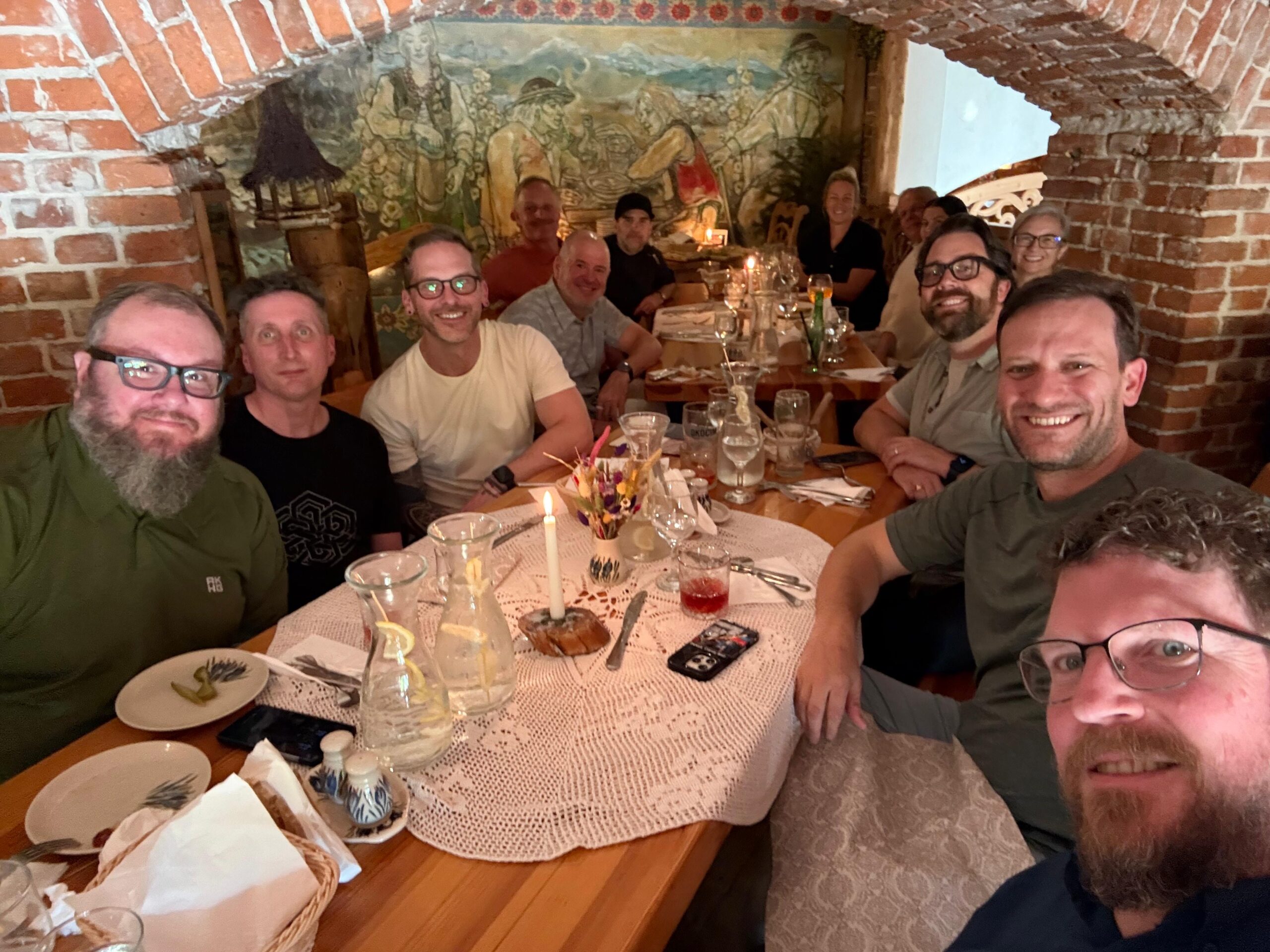
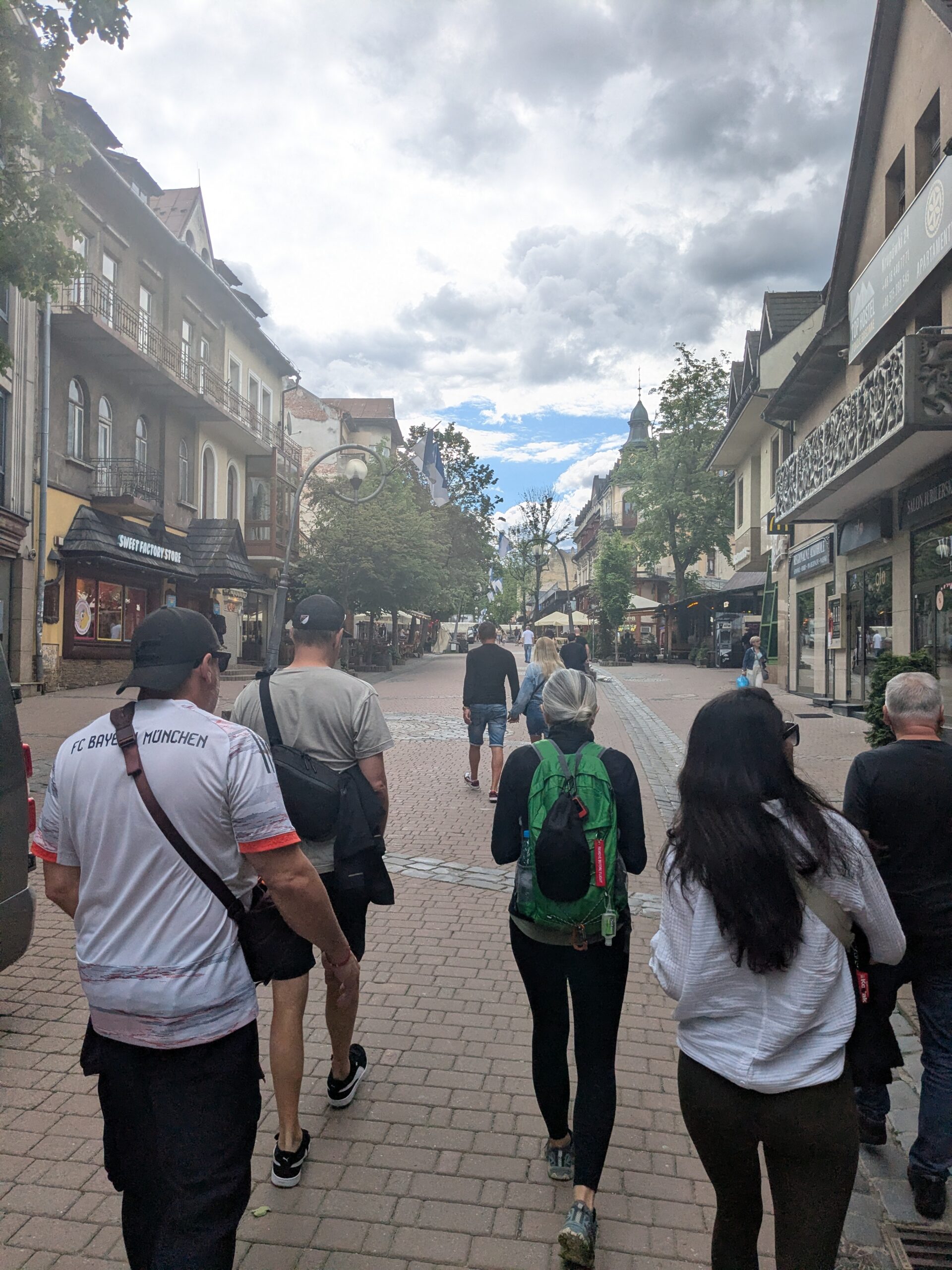
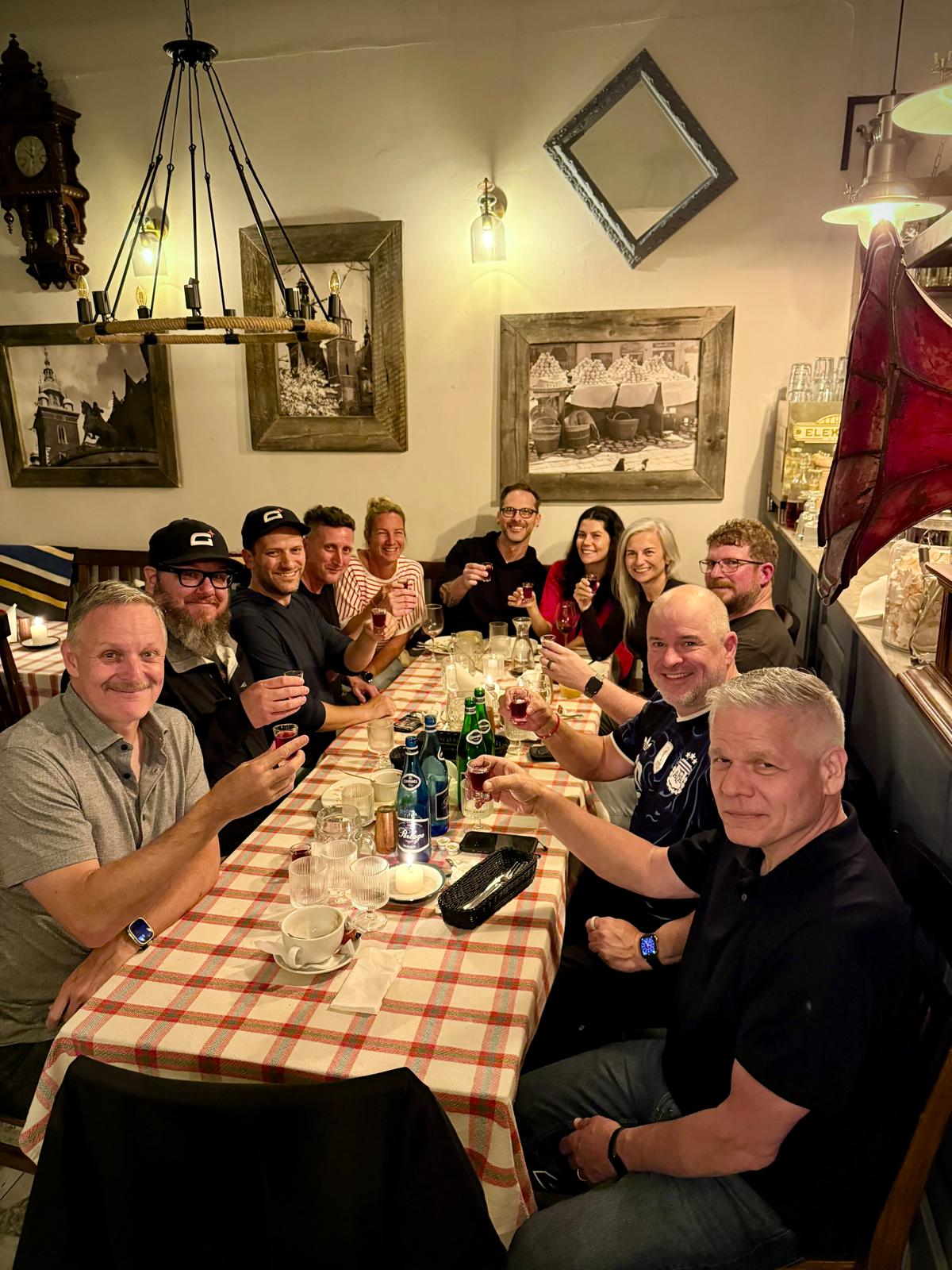
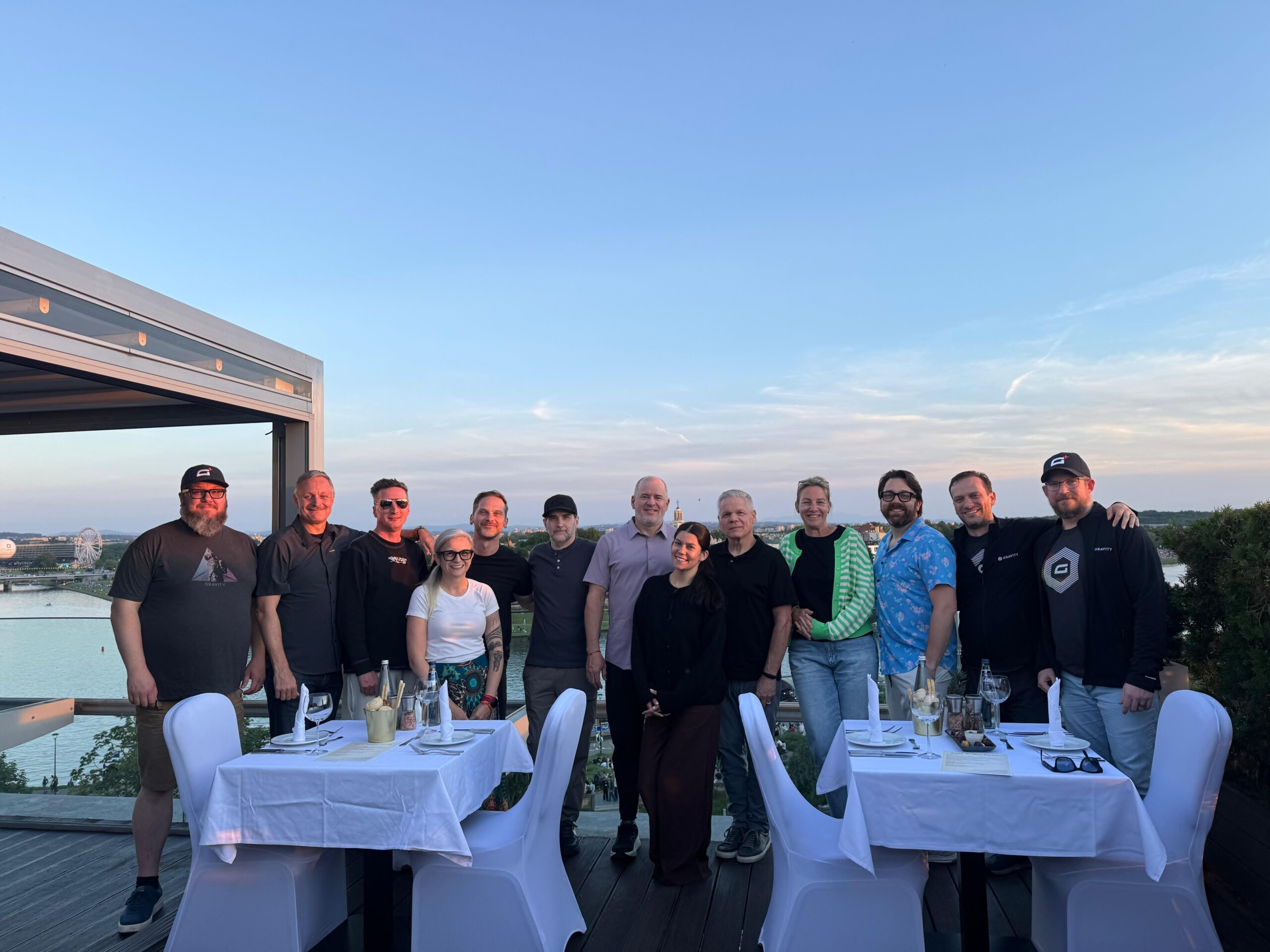
The best remote teams, I’ve come to believe, are built on occasional weeks like this one: the trust and shorthand established in person carry a distributed company through the rest of the year.
The same is true of the wider community. WordPress is built across time zones and continents, by people who mostly know each other as avatars and commit messages. For three days a year in Europe, that abstraction becomes a room full of people, and the ecosystem is better for it.
Listening to the people who build with Gravity
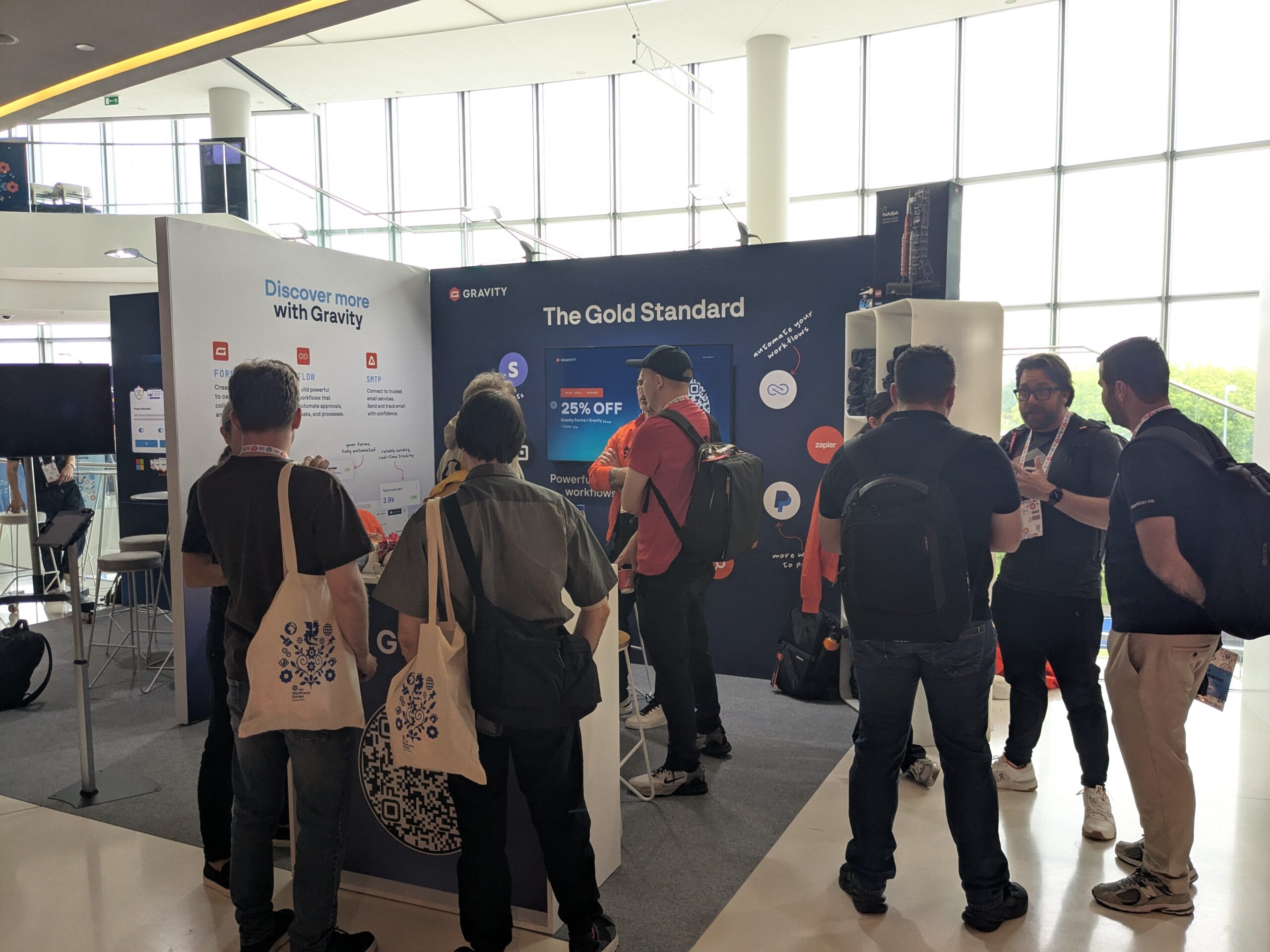
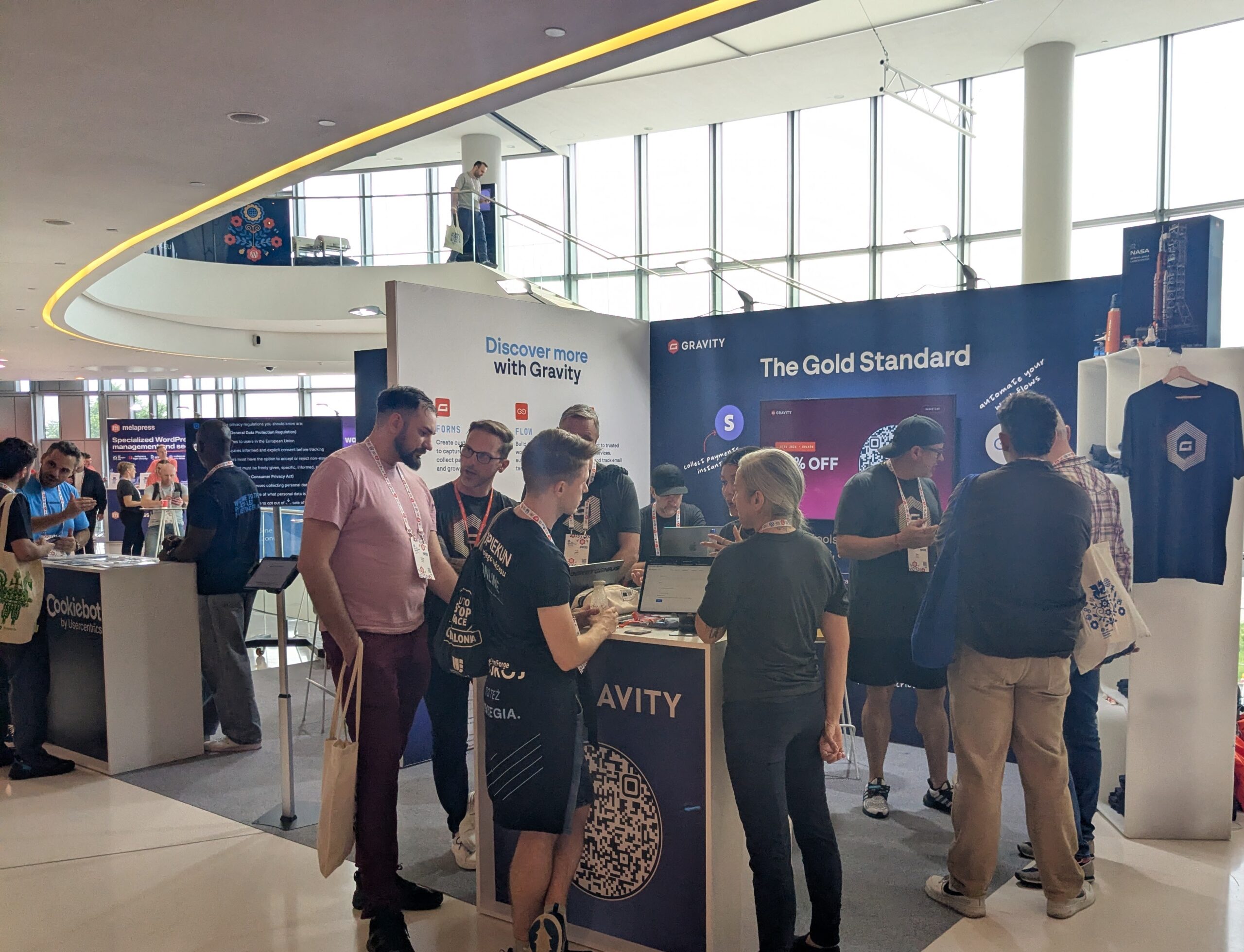
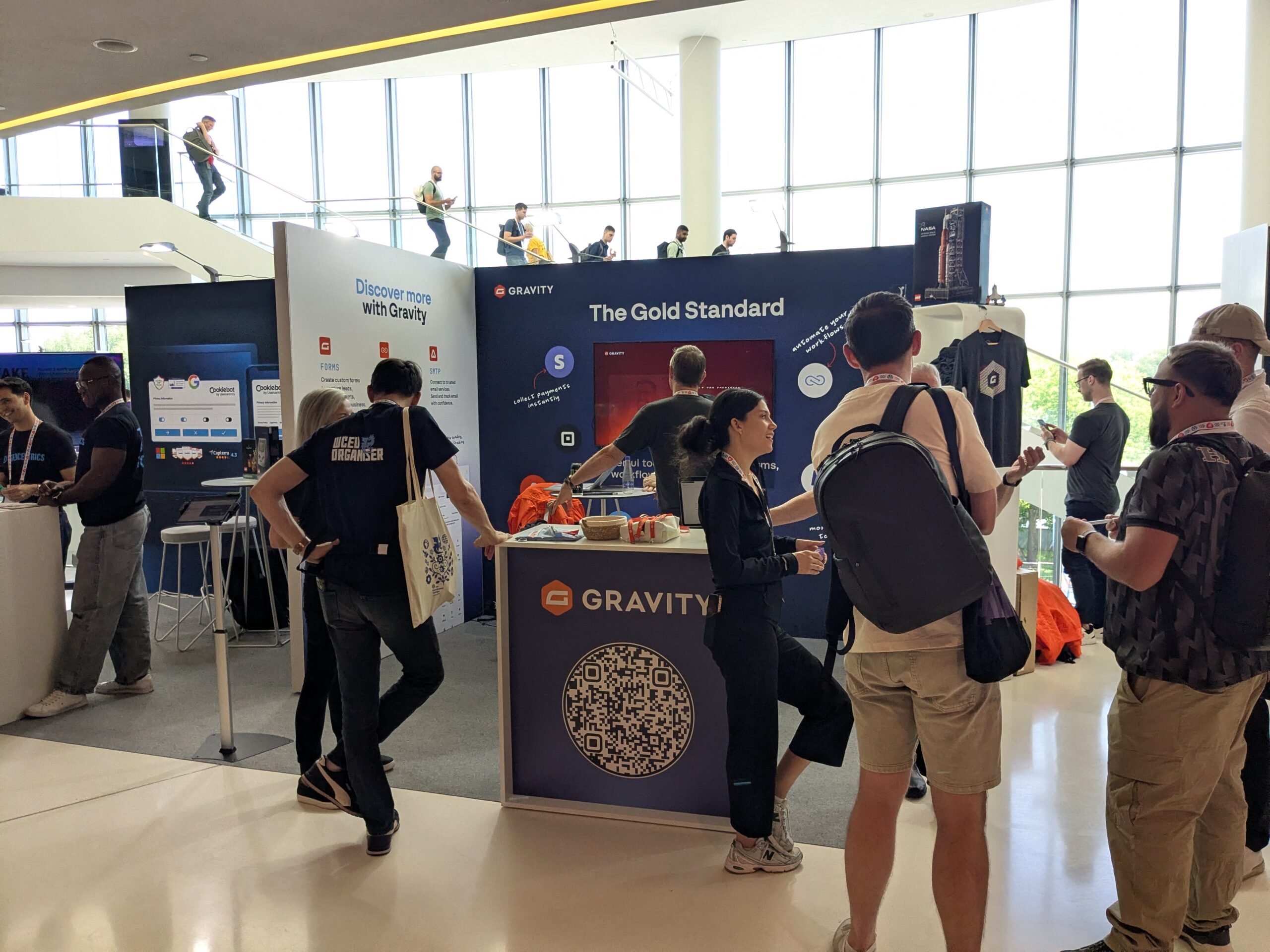
For our team, the heart of the week was the booth, and the steady stream of customers, developers, and partners who came to talk with us.
Agencies running client work at scale, nonprofits managing complex registration workflows, developers who have built entire products on top of Gravity – hearing first-hand what people are creating, and where they want our plugins to go next, is the most valuable research we do all year. No survey or support ticket quite captures the nuance of a working conversation in front of a live demo.
We also had a great deal to share. Among the highlights, either just launched or arriving very soon:
- Support for the WordPress Abilities API in Gravity Forms, which we demonstrated by having AI build and manage forms in real time. Of everything we showed, this prompted the most discussion about where WordPress, and form building, is heading.
- The Gravity Labs site – just launched – a home for new experimental add-ons, snippets, and side projects built by the Gravity team.
- The new Repeater field in Gravity Forms, one of our most requested features, finally ready for its close-up.
- Recently released Gravity SMTP integrations with Cloudflare Email Service, Mailtrap, and SMTP.com, broadening the options for reliable email delivery.
- The new Choice routing step in Gravity Flow, bringing more intelligent branching to automated workflows.
The feedback we gathered across those three days is already shaping the final stages of these imminent releases. To everyone who stopped to test, question, and challenge us: thank you. You make our products better.
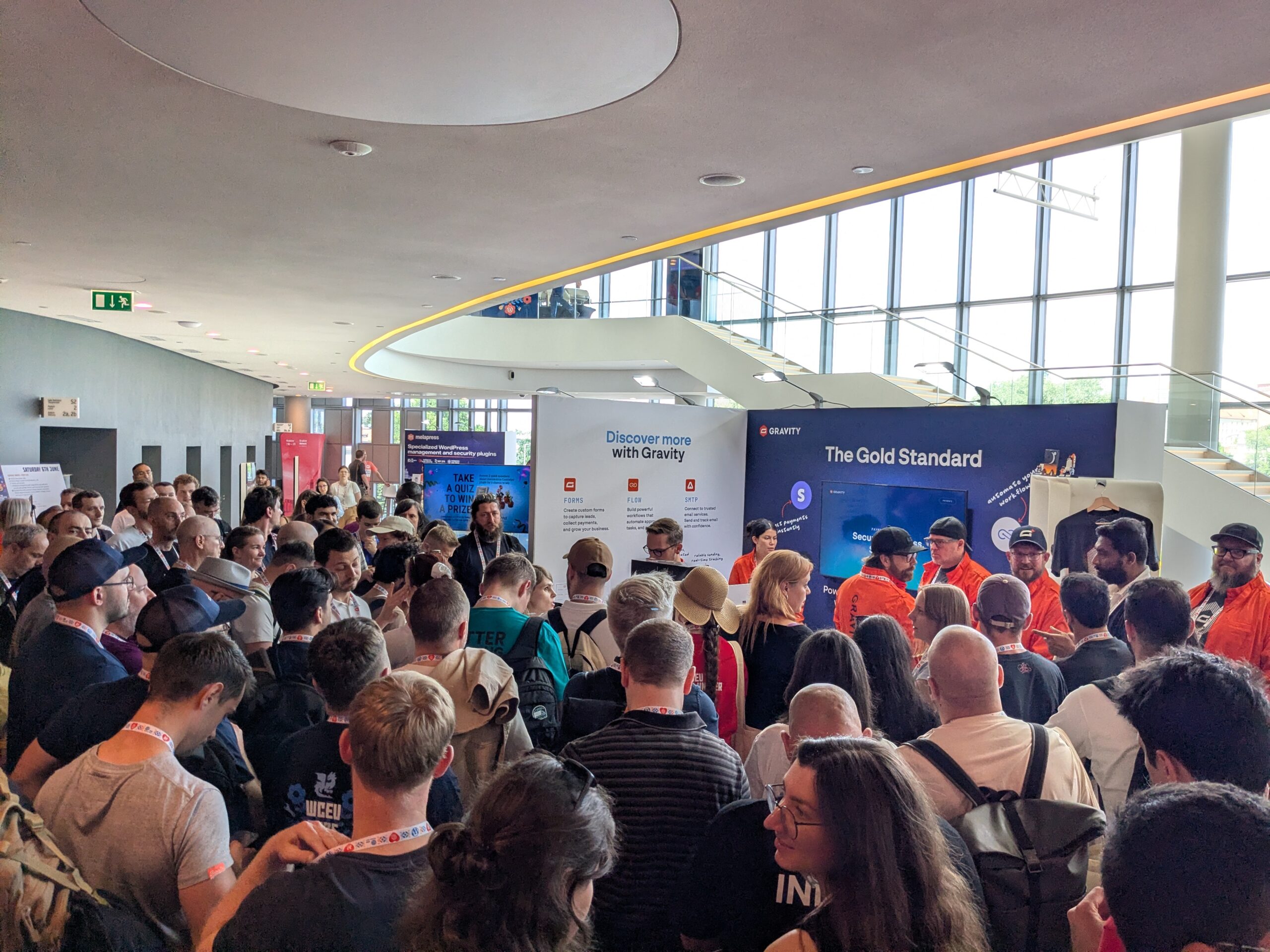
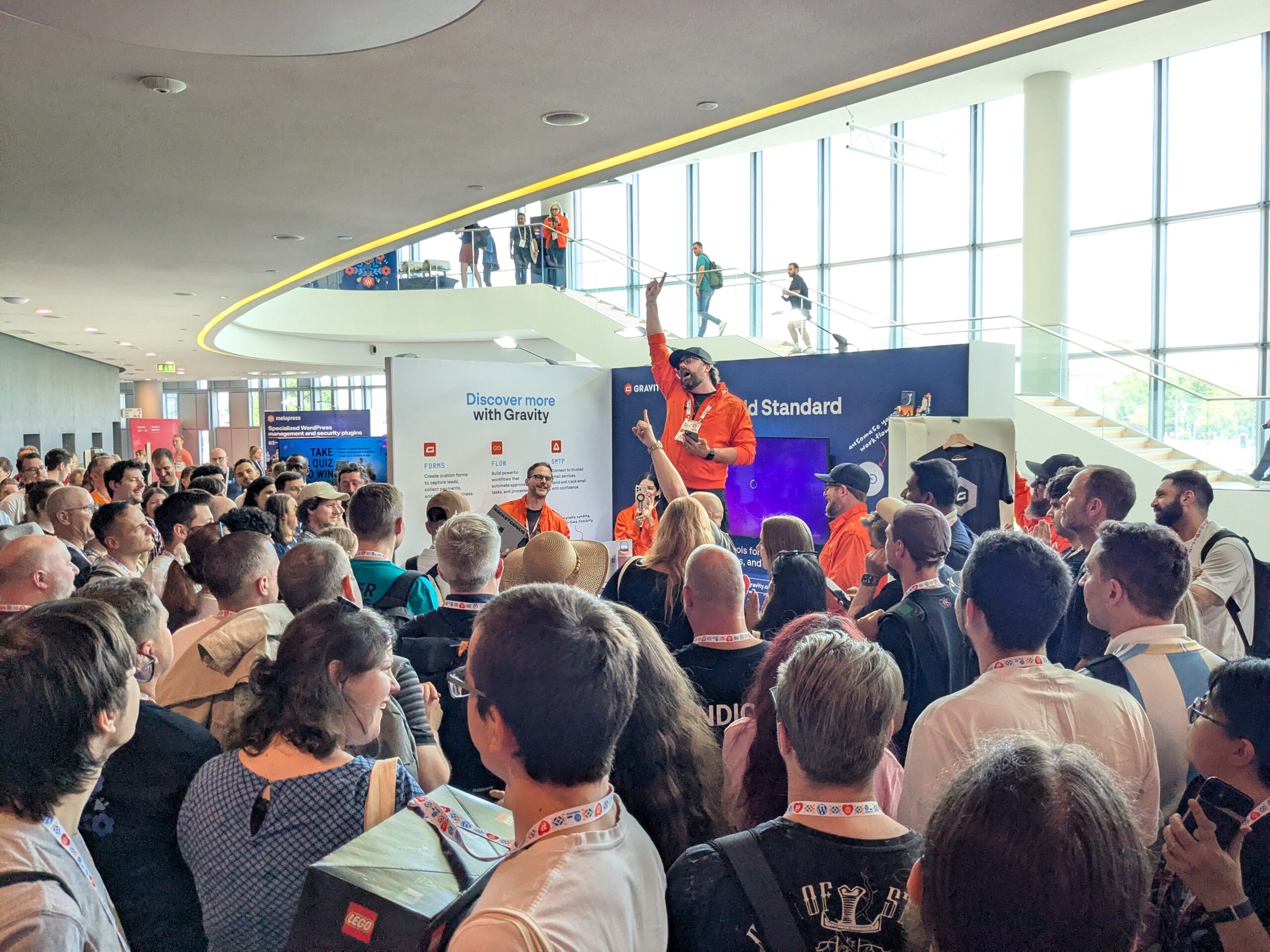
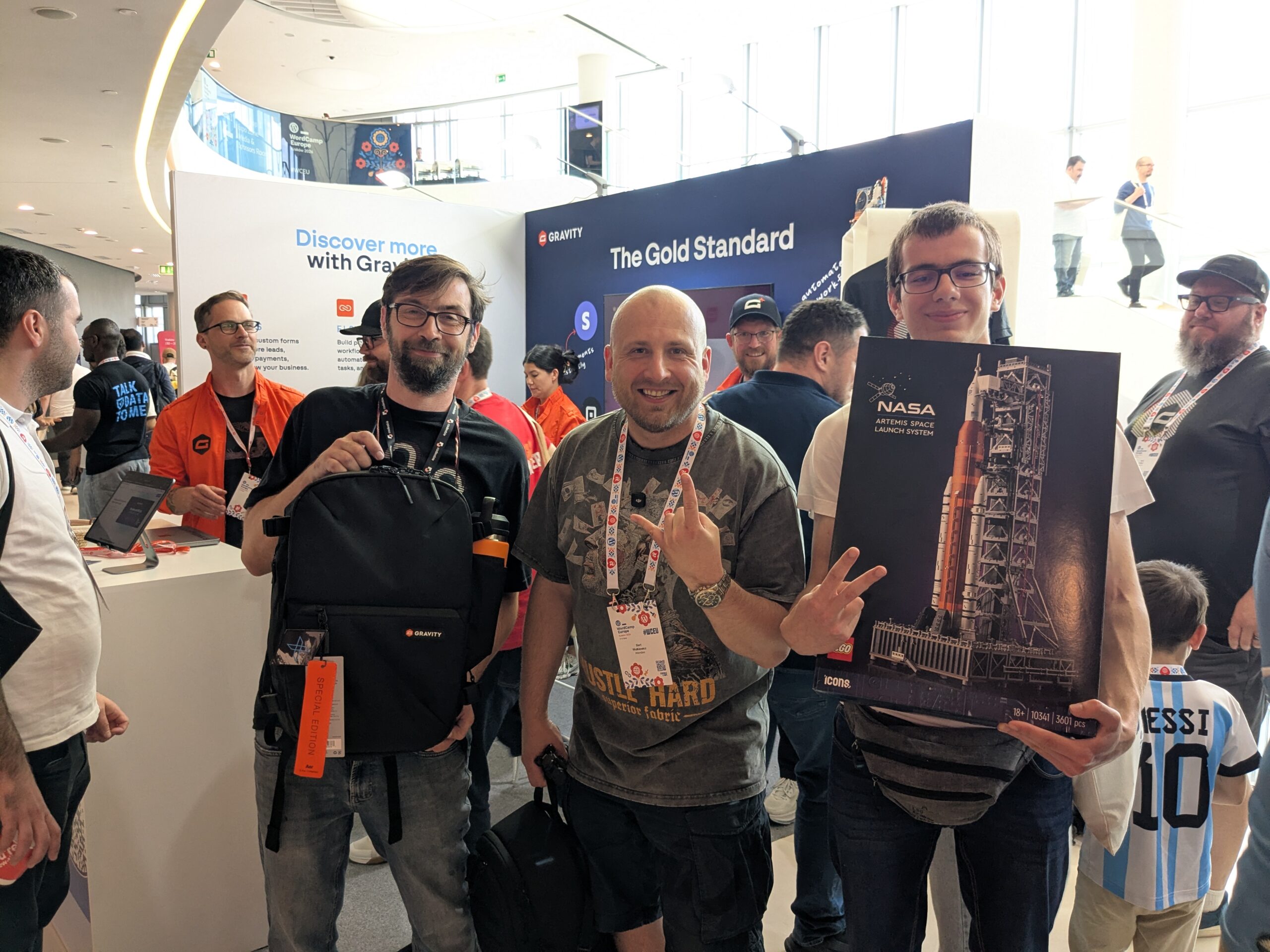
Our giveaway draw on the Saturday rounded things off in style, drawing a wonderful crowd to the booth and ending the event on exactly the right note. Congratulations once again to our winners!
A generous ecosystem
Perhaps the most underrated quality of WordCamp Europe is the way it gathers an entire commercial ecosystem, ostensibly full of competitors, into one building where the default mode is generosity.
We had excellent conversations throughout the week with fellow product founders and partners, among them Automattic, Pressable, Elementor, Weglot, and MelaPress, as well as the team at PayPal and the many developers building businesses on top of Gravity Forms.
These exchanges, candid and collegial in equal measure, are where much of the real progress in WordPress happens.
And then there was the announcement that drew applause from a packed auditorium: CERN’s flagship website is now running on WordPress. It would be hard to find a clearer statement of the platform’s maturity, or a better note on which to send 2,500 people home.
Until Phoenix, or until next year
Thank you to the WCEU organizers, the volunteers, the city of Kraków, and everyone who took the time to visit us.
Everything we demonstrated will be arriving very soon, and we’ll be sharing full details here on the blog as each release lands.
Events like this one are why the WordPress community endures: thousands of people, building independently, who still choose to gather, share, and push the platform forward together.
We’re proud to be part of it, and we’re already looking forward to the next one.

Newsletter
If you want to keep up-to-date with what’s happening on the blog sign up for the Gravity Forms newsletter!
"*" indicates required fields